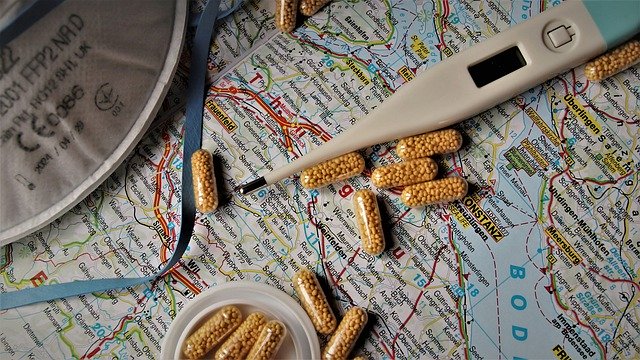
Coronavirus, AKA Covid-19, has been officially announced as a pandemic in the UK. You’re sure to have heard of the viral disease in headlines over the last few weeks, though there is still a lot of confusion and speculation on the matter.
In this article, we aim to clear up some of the confusion regarding the virus, as well as sharing the latest knowledge and advice on how to prevent and protect against Coronavirus.
Is Coronavirus in Birmingham, UK?
Yes. The Covid-19 virus (Coronavirus) is active in Birmingham, West Midlands, UK.
The virus has also been diagnosed in surrounding areas of Birmingham, such as Dudley, Wolverhampton, and other districts within the Midlands.
Am I at Risk of Catching Coronavirus?
Technically, yes. Since Coronavirus is a pandemic, we are all at risk of contracting the virus.
Worryingly, not all carriers of the virus are currently showing symptoms. So even if you’ve only been around people who seem healthy and well, there is still a possibility of contracting the Covid-19 virus from them.
What Do We Know About Covid-19 Coronavirus?
We have received new information regarding the Coronvirus thanks to a young researcher who was transferred from Shenzhen to Wuhan, in order to collaborate with their task force, who are fighting to defeat the Coronavirus epidemic.
The best way to fight the Coronavirus pandemic is by ensuring that as many people as possible are kept up-to-date with the latest information and advice regarding the virus. Therefore, we have covered all the key-points below.
Is Coronavirus Wet or Dry?
Coronavirus can present itself in similar ways to a dry cold. The virus doesn’t give you a runny nose or a wet catarrhal cough, rather it gives you a dry cough, and can dry out the airways.
Confusion surrounding Covid-19 Coronavirus has led many to speculate and assume that the virus will give common-cold symptoms.
This isn’t the case, as mentioned above, you may contract Coronavirus without displaying any symptoms at all. Therefore, we can’t assume that people without common-cold symptoms do not carry the virus.
Heat-Resistance of Covid-19 Virus
Verdict:
Coronavirus is not resistant to high-temperatures, and dies if exposed to temperatures of 26-27 degrees and above.
Solutions:
- Consume hot drinks often.
Hot liquids can help to neutralise the virus. This is good news, as hot beverages are already a very typical part of most peoples lives.
We recommend herbal teas and vitamin-enriched hot beverages due to their additional immune-system aiding benefits.
- Avoid drinking ice-water or eating ice-cubes.
Covid-19 Coronavirus thrives in cold-conditions.
Therefore, we should remind ourselves to avoid anything that will create that ideal climate within our own systems, i.e. eating ice-cubes or drinking cold liquids.
- When it is sensible to do so, increase your sun exposure.
For those who are able to increase their sun-exposure levels without potential health risks, we recommend doing so, as this will help to neutralise the Coronavirus.
How Long Does the Covid-19 Virus Last on Various Surfaces?
In order to maximise the chances of avoiding contracting Coronavirus, it is important for us to understand where the virus may live, and how long it can survive there.
Below is some information on how long Covid-19 Coronavirus can survive on various surfaces.
Coronavirus Survival on Metal Surfaces
When the Covid-19 Coronavirus is found on metal surfaces, it survives for roughly 12 hours.
So when you touch metal surfaces, such as handles, doors, appliances, handrails, etc. wash your hands well and disinfect them carefully.
Coronavirus Survival in Clothing
Coronavirus can live nested in clothes and fabrics for roughly 6-12 hours.
Thankfully, normal washing detergents can kill the Coronavirus, however, for clothes that cannot be washed, or washed often, we recommend maximising sun-exposure.
Exposing your garments to the sun can help to neutralise the Covid-19 virus.
Do I Need to Wear a Special Mask to Avoid Coronavirus?
No, ordinary members of the public do not need to wear any special masks in order to avoid catching the Coronavirus.
You may have noticed during the Covid-19 pandemic that many people have taken to wearing specialised protective face-masks in order to avoid contracting the virus. New research shows that this is an unnecessary precaution for general members of the public.
This is because the virus crown is quite large, with a diameter of around 400-500 nanometers, therefore any type of mask can stop it.
In normal life scenarios, special masks are not needed.
However, for doctors and health professionals who are exposed to heavy virus loads, it is a different story, and they are advised to use special equipment.
How Does The Covid-19 Virus Manifest Itself?
Although we have discovered that some may be able to carry Coronavirus without any obvious manifestation of the virus, we have been able to observe patterns in the way that Covid-19 symptoms do present themselves.
Below is a typical manifestation of Coronavirus symptoms, separated into groups based on the typical order of the virus.
- The virus first installs itself in the throat, causing inflammation and a dry throat sensation. This symptom can last for 3/4 days.
- The virus travels via humidity present in the airways, descends into the trachea and installs in the lungs. This can take around 5-6 days.
- Pneumonia occurs with a high-fever and difficulty breathing. You may have the feeling of drowning. In this case, contact your doctor immediately.
How Can I Avoid Contracting Coronavirus?
Wash Hands Frequently
Coronavirus transmission occurs mostly via direct contact, such as touching tissues or materials on which the virus is present. Therefore, washing your hands frequently is essential.
The virus only survives on your hands for about ten minutes, but a lot can happen in ten minutes. For example, you may rub your eyes or scratch your nose and allow the virus to enter into your throat.
Therefore, we must wash and disinfect our hands very often.
Gargle Disinfectant Solutions
You can gargle with a disinfectant solution that eliminates or minimises the amount of Coronavirus that could enter into your throat.
In doing so, you can eliminate the Covid-19 virus before it enters down into the trachea and eventually the lungs.
Disinfect Surfaces
In order to minimise your chances of contracting Coronavirus, it is recommended that you disinfect all frequently-used surfaces.
This means you should regularly ensure that you have disinfected your PC keyboards, phones, handrails, and other commonly-touched items.
Drink Liquids Regularly
In avoiding the Coronavirus, it is important that we make sure our mouths and throats are kept moist, never dry.
Drink liquids at least every 15 minutes.
Why?
Even if the Coronavirus gets into your mouth, water or other liquids will
sweep it through the esophagus and into the stomach.
Once the virus has travelled into the stomach, gastric acids will kill the virus.
Coronavirus: Important Notice
The Covid-19 virus may not display signs of infection for many days, before which it cannot be known if a person is infected.
By the time you display a fever, or any other symptoms, and go to the
hospital, your lungs are usually already in 50% fibrosis and it’s too late.
Checks for Coronavirus at Home
Taiwanese experts suggest doing a simple check that can be done on our own each morning at home.
Take a deep breath and hold your breath for more than 10 seconds. If you successfully complete it without coughing, without discomfort, without a sense of oppression, etc. this shows that there is no fibrosis in the lungs, indicating essentially no infection.
During these critical times of the Coronavirus pandemic, do this check every morning in a clean air environment.