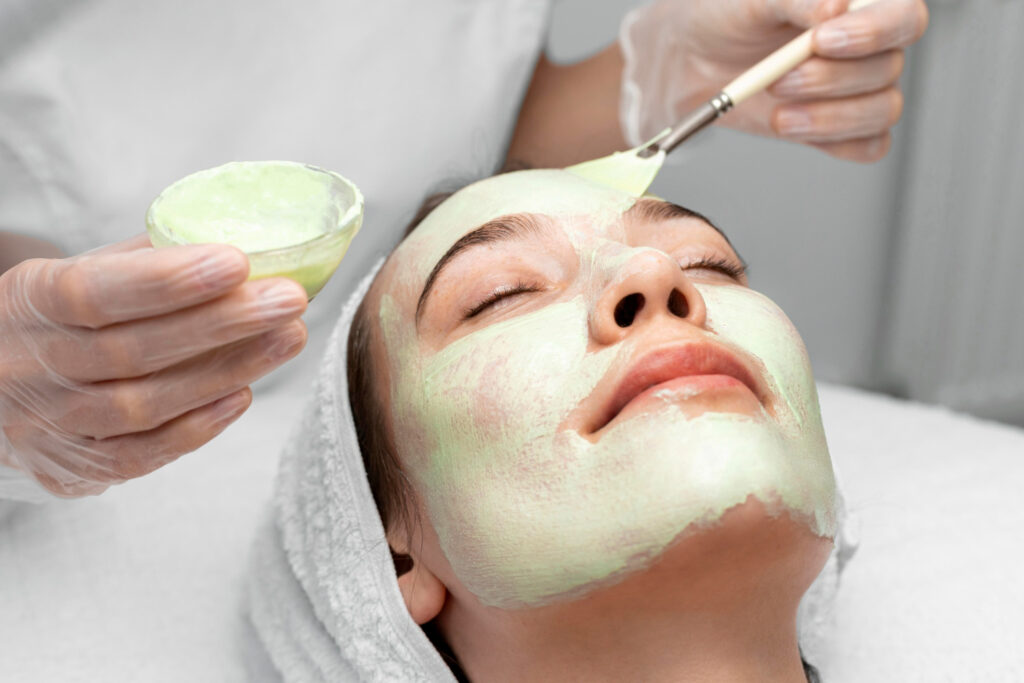
TCA Peel

Dealing with acne is a battle in itself, but for many of us, the real struggle begins once the breakouts have finally cleared. Those lingering marks—the pits, the dark spots, and the uneven texture—can feel like a permanent reminder of a difficult time.

If you’re searching for effective acne scar removal, you aren’t just looking for “beauty tips.” You’re looking for medical-grade solutions that actually work. With over a decade of experience in the skincare and aesthetic industry, I’ve seen firsthand how the right approach can transform not just a person’s complexion, but their entire outlook on life.

In this comprehensive guide, we are going to dive deep into everything you need to know about treating acne scars in 2026. From understanding the different types of scarring to the latest clinical breakthroughs, we’ll cover it all.

Understanding the Enemy: Why Do Acne Scars Form?

Before we talk about how to get rid of them, we need to understand what they are. An acne scar isn’t just a “mark.” It is a structural change in the skin’s deeper layers.

When a blemish becomes deeply inflamed, your body’s natural healing process kicks in. It tries to repair the damage by producing collagen. If the body produces too little collagen, you get a “depressed” or atrophic scar. If it produces too much, you get a raised or hypertrophic scar.

The Difference Between Scarring and Pigmentation

A common mistake many people make is confusing Post-Inflammatory Hyperpigmentation (PIH) with actual scarring.

  • PIH: These are flat red or brown marks. They usually fade over time with the right topical treatments.
  • True Scars: These involve a change in the skin’s texture (indentations or bumps). These require professional intervention for real results.

The 4 Main Types of Acne Scars

Not all scars are created equal. Identifying which ones you have is the first step toward successful acne scar removal.

  1. Ice Pick Scars: Small, narrow, deep holes in the skin. They look like the skin has been punctured by an ice pick.
  2. Boxcar Scars: Broad, depressions with sharply defined edges. They look similar to chickenpox scars.
  3. Rolling Scars: These create a wave-like pattern across otherwise normal-looking skin. They are caused by bands of scar tissue under the skin pulling the surface down.
  4. Hypertrophic (Raised) Scars: These are firm, raised bumps that sit above the skin’s surface, common on the chest and back.

Clinical Treatments: What Really Works?

If you have true textural scarring, over-the-counter creams usually won’t cut it. You need treatments that reach the dermis to remodel the skin from the inside out.

1. Laser Resurfacing

Laser technology has evolved significantly. Today, we use Fractional CO2 Lasers and Erbium:YAG lasers. These work by creating microscopic “injuries” in the skin, which triggers a massive surge in collagen production.

2. Chemical Peels

We aren’t talking about the weak peels you buy at the drugstore. Professional-grade TCA (Trichloroacetic Acid) peels are used to “unroof” scars and smooth out the skin’s surface. For deep ice pick scars, the TCA CROSS method involves applying high-concentration acid directly into the scar to close it up.

3. Microneedling (Collagen Induction Therapy)

Microneedling involves using fine needles to create thousands of tiny punctures in the top layer of the skin. When combined with Radiofrequency (RF Microneedling), it becomes one of the most powerful tools for tightening the skin and filling in depressions.

4. Subcision

This is a minor surgical procedure used for rolling scars. A specialist uses a needle to break up the fibrous bands that are pulling the skin down. Once those bands are snapped, the skin “pops” back up to a level surface.

The Psychological Impact of Acne Scars

It is important to acknowledge that the journey of acne scar removal is as much about mental health as it is about physical appearance. Studies have shown that acne scarring can lead to lower self-esteem and social anxiety.

Choosing to treat your scars isn’t “vain.” It’s a form of self-care. It’s about feeling comfortable in your own skin again and not feeling the need to hide behind heavy makeup or specific lighting.

How to Choose the Right Professional

When you are looking for acne scar removal, the “who” is just as important as the “what.”

  • Look for Experience: Ask how many procedures they’ve performed on your specific skin type.
  • Check Before and Afters: A reputable clinic will have a gallery of real results.
  • Consultation is Key: A good practitioner won’t promise a 100% “perfect” face in one session. They will give you a realistic timeline and a multi-modal plan.

At-Home Maintenance: Protecting Your Investment

Once you start professional treatments, your at-home routine needs to support your skin’s healing.

  1. SPF is Non-Negotiable: Sun exposure darkens scars and breaks down the new collagen your treatments are trying to build. Use at least SPF 30 every single day.
  2. Retinoids: Prescription-strength retinoids help with cell turnover and can subtly improve skin texture over long periods.
  3. Vitamin C: A powerful antioxidant that helps brighten the skin and protects against environmental damage.

The Timeline: How Long Does it Take?

Patience is the most difficult part of an acne scar removal. Collagen remodeling takes time. You might see some initial “glow” after a treatment, but the real structural changes usually take 3 to 6 months to fully manifest. Most people require a series of 3 to 5 sessions depending on the severity of the scarring.

Final Thoughts: Your Skin Can Heal

The most important thing to remember is that you don’t have to live with these marks forever. Modern dermatology has made incredible leaps. Whether your scars are deep or superficial, there is a path forward.

If you’re ready to take the next step and explore professional options tailored to your specific skin needs, I highly recommend looking into specialized clinics like Edgbaston Wellness & Medispa. Their approach to an acne scar removal combines medical expertise with the latest technology to ensure you get the best possible results.

Don’t let your past breakouts define your future. Start your journey to clearer, smoother skin today.

Revitalize Your Skin with TCA Peel: Your Path to Youthful Radiance

Are you searching for a transformative skincare treatment that can address a range of concerns, from fine lines and wrinkles to acne scars and sun damage? Look no further than the TCA Peel – a powerful yet versatile solution for rejuvenating and revitalizing your skin. At Edgbaston Wellness Clinic, we’re proud to offer this innovative peel treatment, designed to deliver exceptional results and help you achieve a more youthful, radiant complexion. Let’s explore the benefits of the TCA Peel and why it’s the perfect choice for unlocking your skin’s true potential.

What is the TCA Peel?

Trichloroacetic acid (TCA) peel is a professional skincare treatment that harnesses the exfoliating power of TCA to improve the appearance of the skin. TCA is a medium-depth chemical peel that penetrates deeper into the skin than lighter peels, making it effective for targeting more advanced signs of aging, pigmentation, and scarrin

The Benefits of the TCA Peel

Reduces Fine Lines and Wrinkles: TCA peel stimulates collagen production in the skin, leading to improved elasticity and firmness. This helps to smooth out fine lines and wrinkles, resulting in a more youthful and rejuvenated appearance.

Improves Acne Scars: TCA peel can also help improve the appearance of acne scars by promoting cell turnover and encouraging the growth of new, healthy skin cells. This results in smoother, more even skin texture over time.

The TCA Peel Experience

Undergoing a TCA peel treatment at Edgbaston Wellness Clinic is a comfortable and rejuvenating experience. Our experienced skincare professionals will cleanse your skin thoroughly before applying the TCA solution evenly to the treatment area. You may experience a mild tingling or burning sensation during the application process, which is normal and usually subsides quickly. After the peel is applied, you can relax for about 10-15 minutes while the solution works its magic. Finally, the peel is neutralized and removed, revealing instantly brighter, smoother skin.

Post-Peel Care and Maintenance

Following your TCA peel treatment, it’s essential to follow your skincare professional’s post-treatment care instructions carefully. This may include avoiding sun exposure, using gentle skincare products, and applying sunscreen diligently to protect your skin from further damage and maintain your results.

Unlock Your Skin’s True Potential with TCA Peel

Ready to experience the transformative power of TCA peel for yourself? Schedule a consultation with one of our skincare experts at Edgbaston Wellness Clinic today. Our team will assess your skin, discuss your concerns and goals, and create a customized TCA peel treatment plan to help you achieve the youthful, radiant complexion you desire. Contact us now to take the first step towards healthier, more beautiful skin!

>